The Silent War NZ Craft Distillers Are Losing - And Why Almost Nobody Knows About It
The Silent War NZ Craft Distillers Are Losing - And Why Almost Nobody Knows About It
There’s a story I keep coming back to.
A true one. And it starts in the Caribbean, not exactly the place you’d expect to learn something about New Zealand craft distilling.
But stay with me.
The Caribbean, a Billion Dollar Rum Fight, and One Hell of a Lesson
Picture this: it’s 30 degrees, the air thick with sugarcane and sea salt.
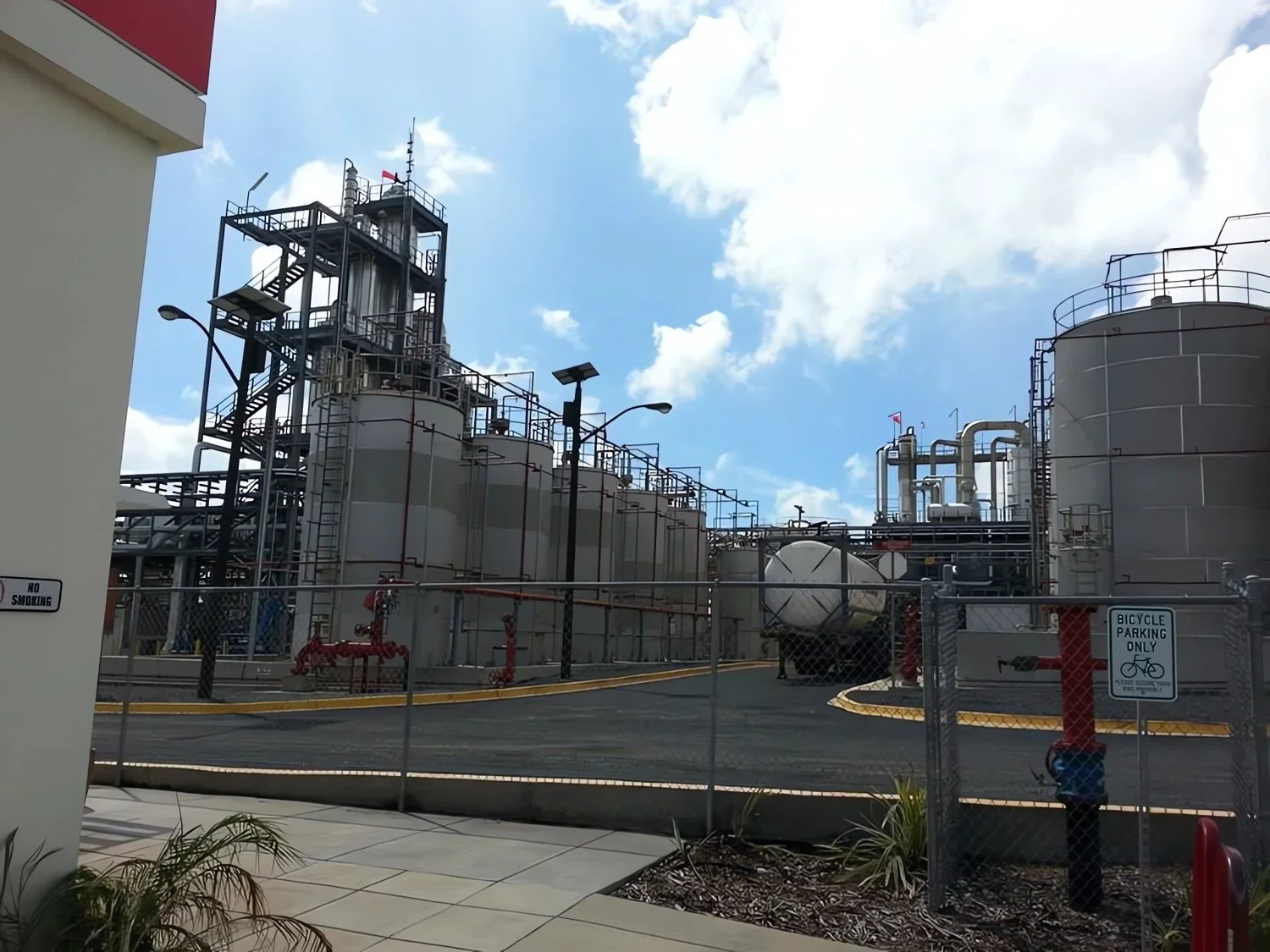
On the island of St. Croix, in the U.S. Virgin Islands, a massive new rum distillery rises out of the landscape. Pipes, tanks, chimneys, warehouses, the sort of project only a multinational can afford.
Except they didn’t pay for it.
The government did.
The U.S. Virgin Islands spent hundreds of millions building a distillery for Captain Morgan, yes, that Captain Morgan, so the global brand would move its production from Puerto Rico to their island.
Why? Because of a strange, century-old tax system called “cover-over” payments.
When Americans buy rum, the federal excise tax is collected… and then sent back to whichever territory made the rum.
In 2021, that payout topped US $700 million.
Puerto Rico relied on that money. The Virgin Islands wanted it.
So began the modern Rum Wars a subsidy arms race where governments outbid each other to attract distilleries.
(NPR: Rum Wars)
Imagine that.
A government fighting to give a company more tax money.
Now hold that image.
Because we’re about to sail back to New Zealand.
Meanwhile in New Zealand Craft Distillers Fight a Very Different Battle
Back home, in a small warehouse in East Tāmaki, in Reefton, in Waiheke, in Blenheim, in Dunedin, you’ll find real people making spirits the hard way.
Late nights. Long ferments. Single-origin botanicals. Kiwi-grown grains. Rainwater. Local barrels. Solar-powered stills.
Stories that belong in bottle shops and airport duty-free shelves around the world.
But every New Zealand distiller knows the moment of dread:
Excise Day.
It doesn’t matter how small you are.
It doesn’t matter that your still cost $20,000 to 300,000, or that your barrels tie up capital for years, or that your bottles and labels come from halfway around the world.
It doesn’t matter that you are creating jobs, tourism, exports, or a new national identity.
The Government wants its cut first.
And it’s a big cut:
Up to 60–70% of the bottle price of NZ craft spirits is pure tax.
That's before rent.
Before salaries.
Before marketing.
Before barrels.
Before bottles.
Before paying yourself anything at all.
It’s a tax bill that would make a pirate blush.
The Australian Tale of Two Distilleries
Now let’s take the same craft distiller, identical passion, identical skill, and drop them across the Tasman.
In Australia, that distiller gets up to AU$350,000 per year back from the government in excise.
Already in law. No special pleading required.
And from 2026?
It’s rising to AU$400,000.
Do you know what an extra 350k means for a small distillery?
A new still
A tasting room
Two full-time staff
Export certification
Equipment upgrades
Cashflow breathing room
Actually sleeping at night instead of staring at spreadsheets at 2 a.m.
For some, it’s the difference between “we survived another year” and “we are now exporting to Singapore, Japan, California and the U.K.”
Australia said, in effect:
“We want a craft spirits industry.
Here’s oxygen. Go build it.”
New Zealand says:
“Here’s an anchor. Good luck swimming.”
The Emotional Side Nobody Talks About
Most people think this is an economic story.
But spend time with Kiwi distillers and you’ll find it's far more personal.
It’s the distiller who takes out a second mortgage to buy his first still.
The husband and wife team ageing whisky in a shed while juggling day jobs.
The young distiller building solar arrays to save every dollar.
The small team hand-labelling bottles at midnight before a market.
The founder who spends more time filling out excise returns than creating new spirits.
The ones who desperately want to hire staff, but can’t until tax lets them breathe.
Meanwhile, people outside the industry think:
“Gin is expensive.”
“Whisky is pricey.”
“Why don’t distillers lower the cost?”
If only they knew.
The Real Kick in the Teeth: NZ Does Support Other Industries
This is where the story gets frustrating.
New Zealand already has powerful, generous, proven mechanisms to support targeted industries:
Film productions get 20–25% of their NZ spend rebated in cash.
Game developers get support.
Researchers get support.
Tech companies get support.
Exporters get support.
But craft distilling, an industry that naturally delivers:
Manufacturing
Tourism
Regional employment
Agricultural uplift
Export potential
Cultural value
New Zealand brand identity
Gets nothing!
Zero.
Zilch.
Not even a starter-for-ten.
We don’t want a Rum War.
We don’t want a gold-plated distillery built for us.
We don’t want hundreds of millions.
We want the same thing Australia already gives its distillers:
A fighting chance.
This Isn’t About Money It’s About What Kind of Industry We Want
New Zealand could be the Scotland of the South Pacific.
We could be exporting world-class single malts, native botanical gins, coastal rums, and wild-fermented experimental spirits everywhere from Tokyo to New York.
We could be telling our story
our land, our seas, our botanicals, our barrels, our distillers through bottles the world pays a premium for.
Instead, we’re taxing that future out of existence before it even begins.
Not intentionally.
Not maliciously.
Just… blindly.
Because nobody’s looking at the numbers the way distillers have to.
The Rum Wars Teach Us a Strange Lesson
The Caribbean Rum Wars are a messy story of government money, political incentives, and corporate power.
But buried inside that chaos is one undeniable truth:
When governments decide an industry matters, the industry grows.
New Zealand just needs to make one decision:
“Do we want a craft spirits industry worth fighting for?”
If the answer is yes
Then the fix isn’t complex.
It isn’t expensive.
And it doesn’t need a billion-dollar rum subsidy.
It needs a simple, targeted remission scheme, like Australia’s, that lets small distillers breathe long enough to grow.
Until Then, Kiwi Distillers Will Keep Doing What They’ve Always Done
They’ll keep crafting beautiful spirits.
They’ll keep innovating.
They’ll keep telling New Zealand’s story, one bottle at a time.
They’ll keep pushing uphill, because that’s what founders do.
But imagine what they could achieve if the hill wasn’t quite so steep.
Imagine what they could build if they weren’t paying government more than they pay themselves.
Imagine how many people they could employ if the system gave them even a fraction of the support given to film, tech, gaming, or incredibly Caribbean rum.
This isn’t a call for handouts.
It’s a call for fairness.
A call for foresight.
A call for a future.
Because right now, the Rum Wars are a reminder of a simple, painful truth:
Around the world, governments fight to keep their distilleries.
In New Zealand, our distilleries are fighting just to keep going.